Corporate gatherings today are no longer routine calendar entries; they are strategic platforms designed to strengthen brand perception, motivate teams, build partnerships, and drive measurable outcomes. However, as expectations around experience and execution rise, budgets are examined with increasing scrutiny. This makes venue sourcing one of the most critical financial decisions in corporate event planning.
A well-chosen corporate events venue can elevate an event’s impact while preserving cost efficiency. A poorly negotiated one can quietly inflate budgets long before décor, production, or guest experience elements are finalized. The key is not simply to find an impressive location, but to source intelligently and strategically.
Understanding the Real Cost Behind the Venue
Many planners initially focus on the rental fee, assuming it represents the majority of the expense. In reality, that number is only the starting point. Service charges, catering minimums, audiovisual requirements, labor costs, overtime fees, insurance, and décor restrictions can significantly increase the final bill.
An experienced planner requests a detailed cost breakdown early in the process. Transparency allows for informed comparison between venues and highlights negotiation opportunities. Some properties require in-house catering for corporate events, which may limit pricing flexibility. Others allow external vendors, creating competitive bidding options that can lower overall costs.
Clarity in the beginning prevents financial surprises later.
Use Timing to Your Advantage
Calendar strategy is one of the most effective cost-saving tools. Venues that operate as both wedding venues and corporate events venue spaces often prioritize weekend weddings during peak season, which drives up pricing.
Midweek bookings, off-season months, and flexible time slots typically unlock better rates, waived minimums, or added inclusions such as complimentary audiovisual equipment. Understanding how to choose a wedding venue has always required awareness of seasonality and demand cycles. The same logic applies to corporate events.
When flexibility exists, it becomes leverage.
Location Without Overpaying for Prestige
City-center venues offer visibility and convenience, but they also come with premium pricing. While accessibility matters, there is often a smart middle ground between prestige and practicality.
Suburban conference centers, boutique hotels slightly outside commercial hubs, university facilities, and cultural spaces frequently provide competitive rates while maintaining professional standards. When transportation is thoughtfully arranged, the guest experience remains seamless without the cost burden of prime real estate.
Venue prestige should support brand goals, not inflate budgets unnecessarily.
Choose Spaces That Do More
Cost efficiency improves when a corporate events venue offers multi-use spaces with built-in infrastructure. Properties equipped with integrated lighting, sound systems, staging, and adaptable layouts reduce dependency on external production vendors.
Rather than booking separate venues for conferences, networking sessions, and evening receptions, planners can prioritize spaces that transition smoothly between formats. This consolidation minimizes setup duplication, transportation, and labor expenses.
Many modern wedding venues are designed with flexible indoor-outdoor flow, modular seating, and landscaped settings that adapt well to corporate gatherings. When evaluating how to choose a wedding venue for business purposes, versatility becomes a financial advantage.
Smart Catering Decisions Make a Difference
Catering for corporate events often represents a significant percentage of the overall budget. Thoughtful menu planning can reduce costs without compromising quality.
Instead of elaborate plated meals, elevated buffets or curated food stations can maintain sophistication while managing portion control. Negotiating beverage packages carefully and aligning menu selections with seasonal ingredients further optimizes spending.
If the venue requires in-house catering, negotiate flexibility in menu tiers and minimum spends. If external catering is allowed, request competitive proposals to identify the best value.
Strategic food and beverage planning protects margins while preserving guest satisfaction.
Negotiate With Intention
The lowest listed rate is rarely the best final deal. Strong negotiation begins with transparency about budget parameters and long-term collaboration potential.
Venues value repeat clients and multi-event commitments. When planners position themselves as strategic partners rather than one-time customers, they often secure complimentary upgrades, better cancellation terms, or reduced service fees.
Carefully review contract clauses related to attrition, overtime, corkage, and vendor exclusivity. Minor adjustments in these areas can prevent major financial strain.
Use Data to Guide Decisions
Modern event planning benefits from data-backed decision-making. Historical attendance patterns, space utilization reports, and past catering consumption help prevent overbooking large spaces or overspending on unnecessary resources.
Predictive analytics assist planners in forecasting realistic guest numbers and required room capacities. Booking a venue slightly larger than needed can dramatically increase rental and production costs, so accurate projections are essential.
Efficiency today is not guesswork; it is informed precision.
Consider Non-Traditional Venues
Corporate events do not have to be confined to standard conference centers. Museums, galleries, heritage properties, and boutique event spaces often offer distinctive environments at competitive pricing, particularly during non-peak times.
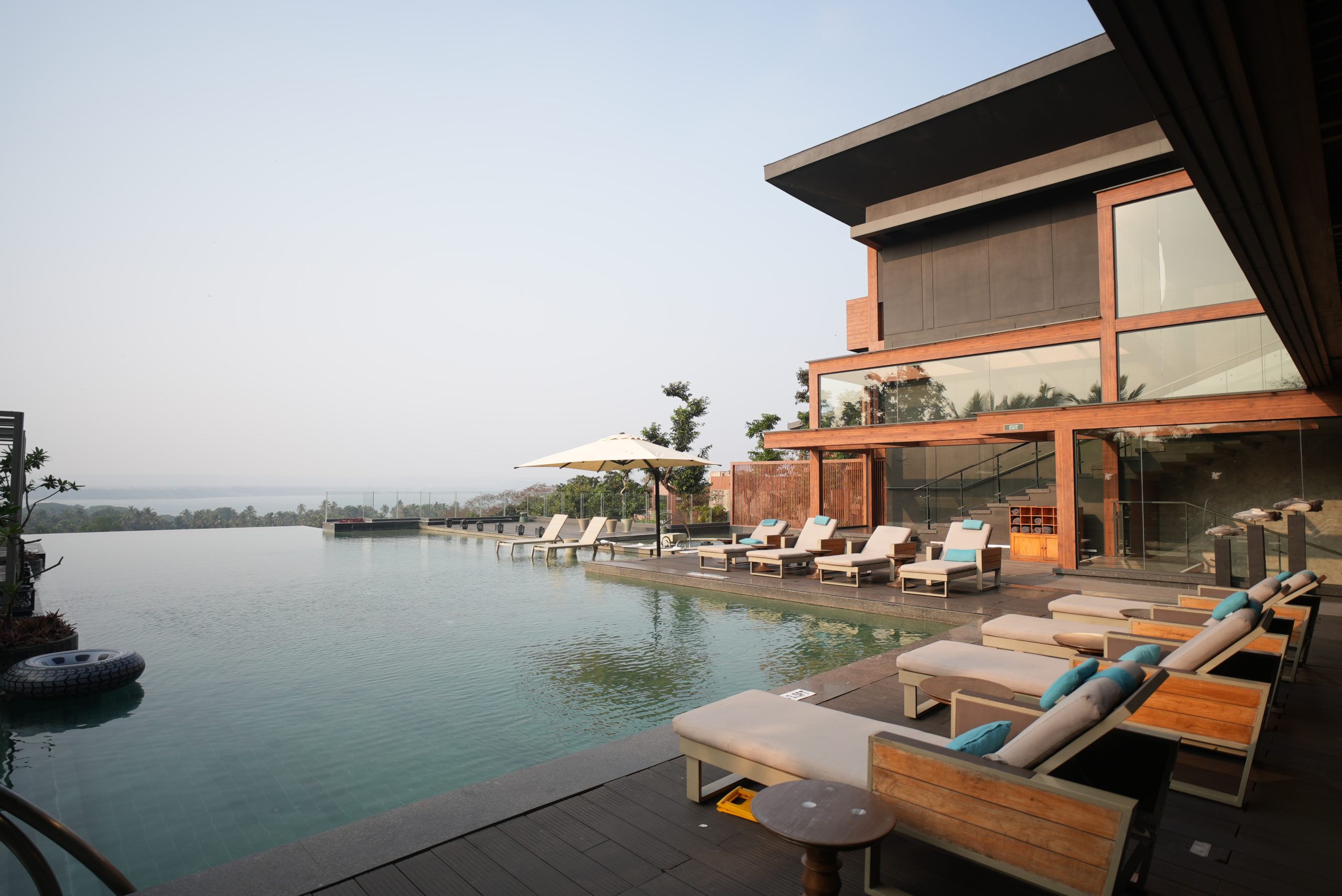
Some wedding venues designed for destination celebrations feature gardens, terraces, or waterfront views that translate beautifully into executive retreats or networking receptions. By approaching wedding venues with a corporate lens, planners often uncover sophisticated options that balance aesthetic appeal with cost practicality.
Creativity in sourcing often leads to savings.
Bundle Accommodation and Services
Hotels that function as both accommodation providers and corporate events venue spaces frequently offer bundled packages. Complimentary meeting rooms based on room block commitments, inclusive audiovisual setups, and discounted food and beverage minimums can create meaningful cost reductions.
Preferred vendor partnerships also provide financial advantages. Long-term relationships with décor teams, production suppliers, and catering for corporate events vendors often result in better pricing and smoother execution.
Collaboration creates leverage.
Avoid Hidden Financial Traps
Budget overruns frequently stem from small oversights. Overestimating guest counts, underestimating setup time, or failing to confirm what is included in the rental package can lead to unexpected charges.
Detailed timelines, written confirmations, and precise technical briefs ensure alignment between planners and venue management. Vigilance during sourcing protects the budget throughout execution.
Applying Wedding Venue Intelligence to Corporate Planning
There is significant overlap between sourcing a wedding venue and securing a corporate events venue. Both require evaluating capacity, layout, accessibility, catering flexibility, and service standards.
The question of how to choose a wedding venue centers on guest comfort, aesthetic alignment, and seamless coordination. Corporate events demand similar criteria, framed within brand positioning and professional objectives.
Many wedding venues are built to deliver exceptional hospitality and immersive environments. When approached strategically, these spaces can host business gatherings with equal elegance and greater cost efficiency.
Conclusion
Cost-saving venue sourcing for corporate events is not about choosing the cheapest space available. It is about understanding value, negotiating strategically, and aligning every financial decision with the event’s objectives.
By analyzing the complete cost structure of a corporate events venue, leveraging seasonal flexibility, optimizing catering for corporate events, exploring adaptable wedding venues, and applying informed negotiation techniques, planners can deliver experiences that feel premium without exceeding financial boundaries.
In today’s event landscape, financial intelligence is as important as creative vision. The most successful planners are those who balance both, ensuring that every venue decision contributes not only to aesthetic impact, but also to measurable return on investment.